Supplements

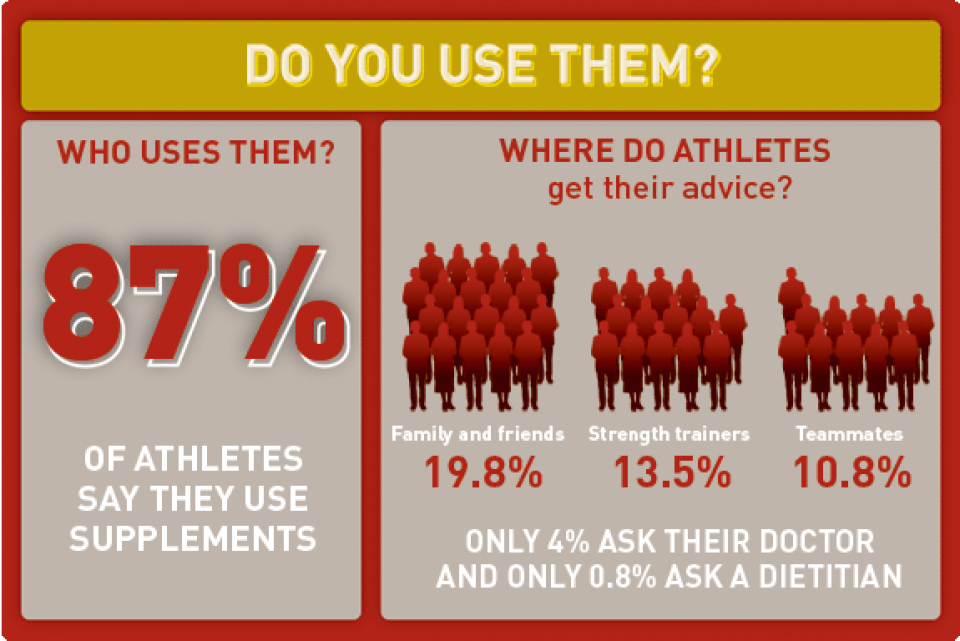
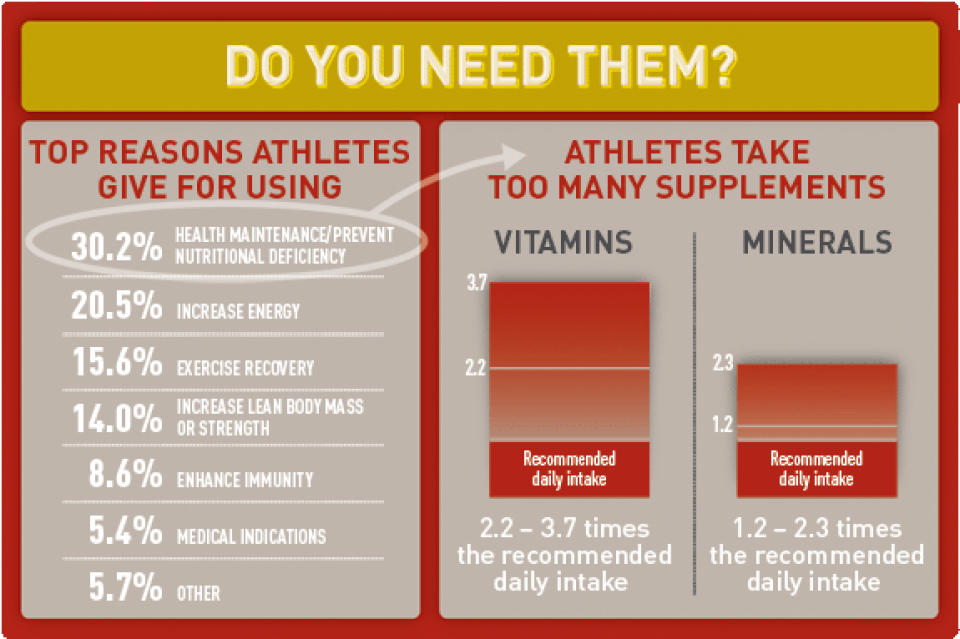

What is the CCES’ position regarding supplement use?
Athletes are responsible for any prohibited substance found in their sample. Unlike foods and medications, the supplement industry is subject to little government regulation making it impossible for the CCES to confirm whether or not a supplement contains prohibited substances. After a number of anti-doping violations related to supplement use, the CCES would like to stress to the Canadian sport community the extreme risk an athlete runs when using supplements.
Question Supplements Infographic x 2
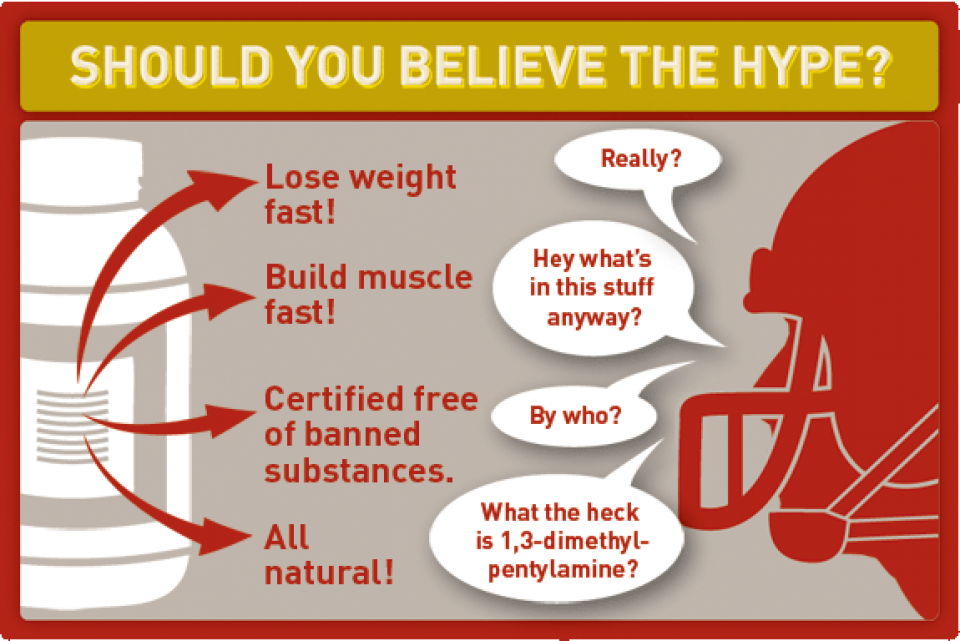
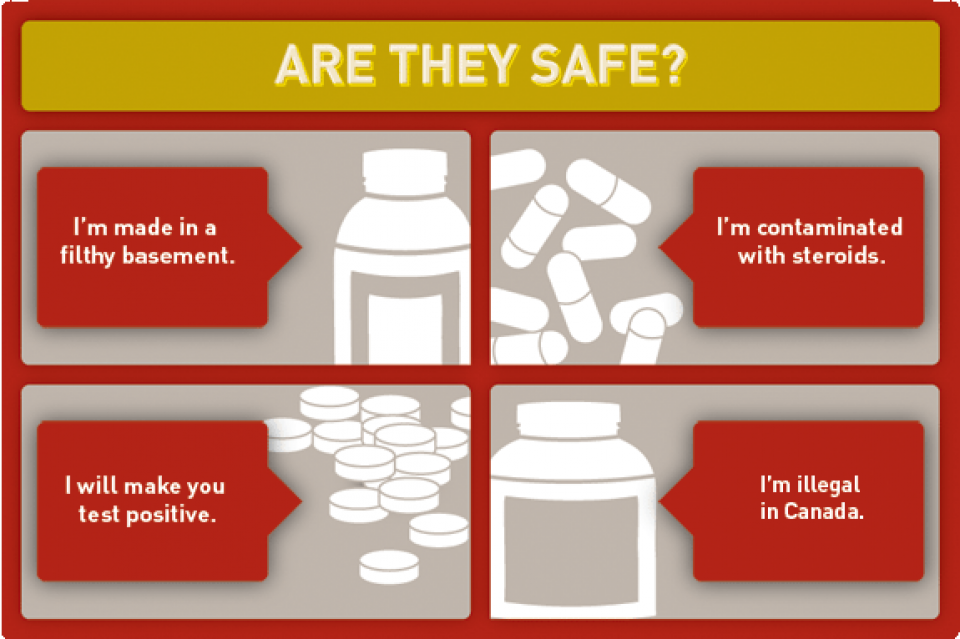
 This graphic poster and postcard set will help athletes learn to question the need for, safety of, and efficacy of nutritional supplements and natural health products.
What are supplements?
Supplements are sometimes referred to as nutritional/dietary supplements or natural health products. They are not classified as food or drugs and are not covered by the Canadian Food and Drugs Act.
Supplements include such products as:
|
|
What are the risks associated with supplement use?
Unlike food and pharmaceutical production, the supplement industry is subject to little government regulation. Consequently supplements may:
- Intentionally contain prohibited substances;
- Unintentionally be contaminated with prohibited substances (e.g., contaminated source ingredients, erroneous source ingredients, cross-contamination during manufacturing); or
- Be mislabelled.
In addition, supplements may:
- Not accurately list the ingredients (e.g., falsify, omit);
- Not accurately list the relative amounts of each ingredient per dose;
- Make false certification claims (e.g., WADA-approved);
- Make false health benefit claims; and
- Not list important cautionary information (e.g., side-effects to health).
The number of anti-doping violations resulting from the use of supplements demonstrates the extreme risk an athlete runs when using supplements. A positive test for an athlete who uses supplements may result in a violation regardless of how the prohibited substance got into their body. Serious sanctions may be imposed.
How can athletes minimize the risks?
Athletes have a personal responsibility to evaluate all the risks associated with the consumption of supplements before using them, and are responsible for any prohibited substance found in their sample - this is known as strict liability.
The CCES refers members of the Canadian sport community to the NSF International Certified for Sport® program which helps minimize the risk of unintentional doping. NSF International's Certified for Sport® laboratory testing services help clients establish product stewardship by confirming content and purity, compliance, and assessing public safety and environmental concerns on products used by athletes.